
The Tombstone of John Keats in the Protestant Cemetery

View from Sonya's Apartment, Trastevere
Underground

Train Passing By
The Tombstone of John Keats in the Protestant Cemetery
View from Sonya's Apartment, Trastevere
Underground
Train Passing By
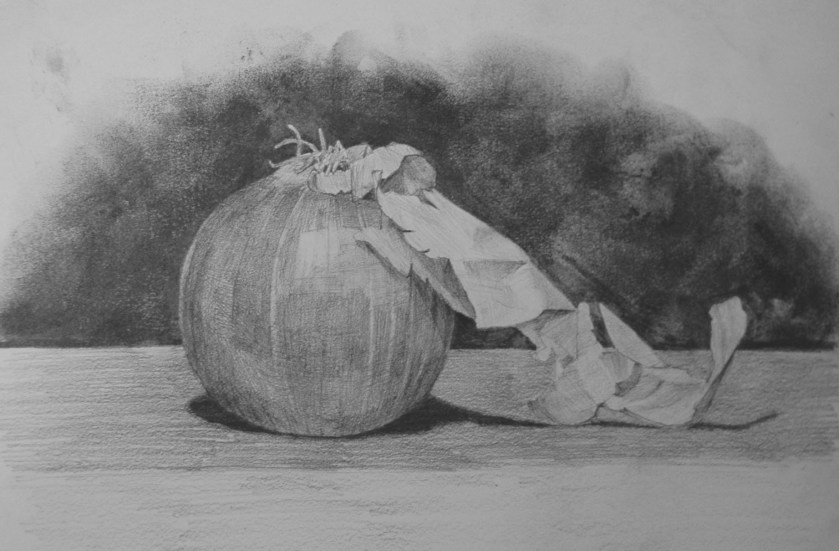
Onion

Pepper
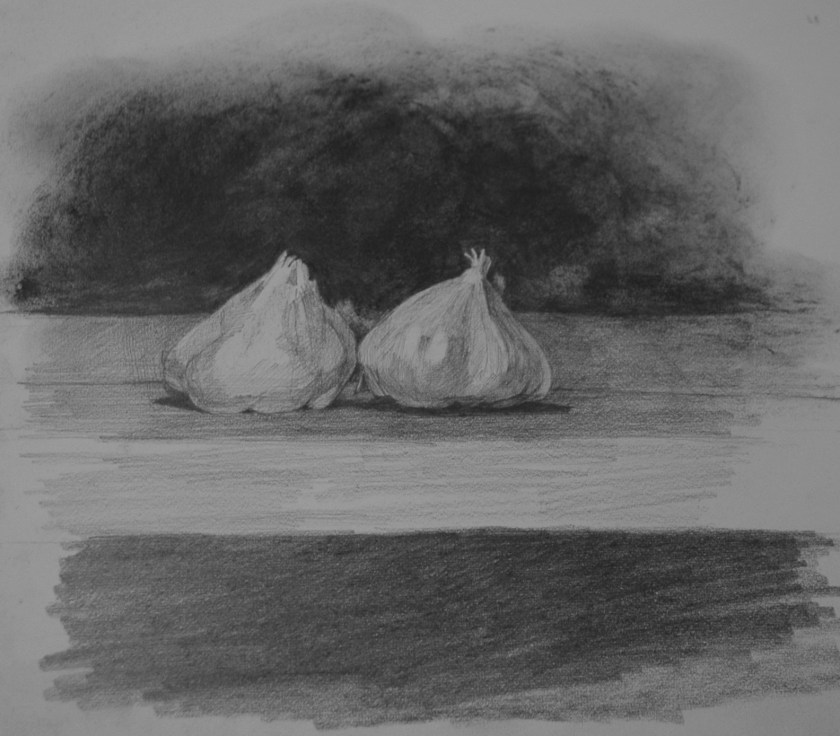
Garlic
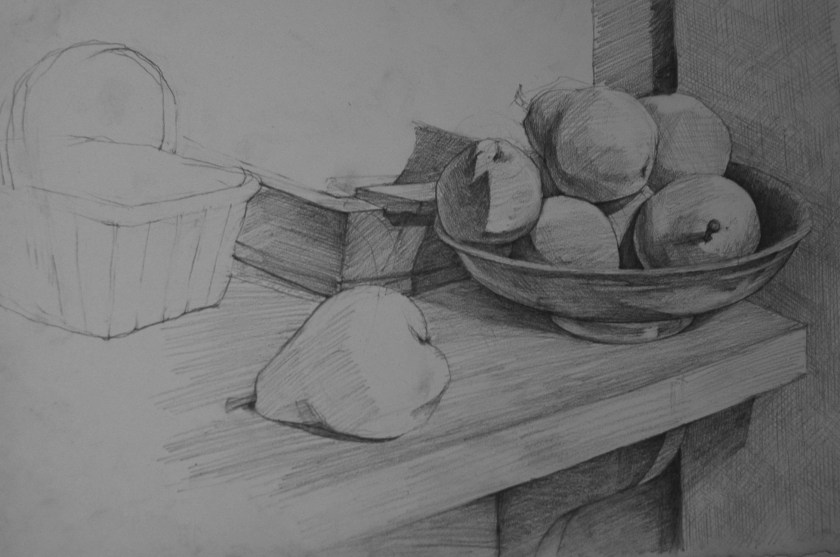
Pears
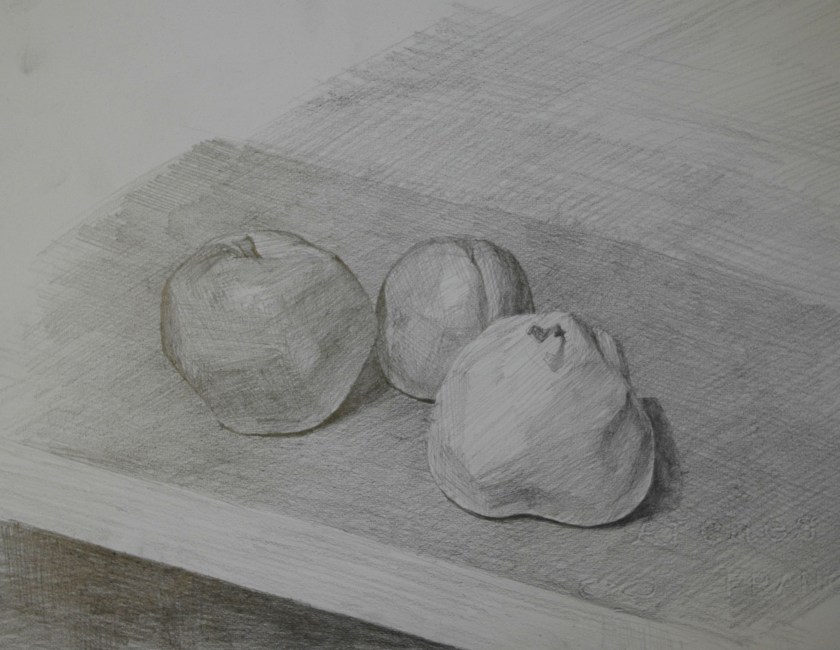
Fruit

Lemon and Company
This is pulled from the novel by David Foster Wallace, Infinite Jest. While it is specifically discussing the mastery of tennis, I feel that the theory has a broad scope:
“…that because you proceed toward mastery through a series of plateaus, so there’s like radical improvement up to a certain plateau and tehn what looks like a stall, on the plateau, with the only way to get off one of the plateaus and climb up to the next one up ahead is with a whole lot of frustrating mindless repetitive practice and patience and hanging in there…”
“…the types who don’t hang in there and slog on the patient road toward mastery are basically three. Types. You’ve got what he calls your Despairing type, who’s fine as long as he’s in the quick-improvement stage before a plateau, bu then he hits a plateau and sees himself stall, not getting better as fast or even seeming to get a little worse, and this type gives in to frustration and despair, because he hasn’t got the humbleness and patience to hang in there and slog, and he can’t stand the time he has to put in on the plateau, and what happens?’
‘Geronimo! the other kids yell…
‘Then we have got the Obsessive type…much less humble and slog, when he gets to a plateau he tries to like will and force himself off it, by sheer force of work and drill and will and practice and drilling and obsessively honing and working more and more, as in frantically, and he overdoes it and gets hurt and pretty soon he’s chronically messed up with injuries…’
‘You’ve got the complacent type, who improves radically until he hits and plateau, and is content with the radical improvement he’s made to get to the plateau, and doesn’t mind staying at the plateau because it is comfortable and familiar…(p115)
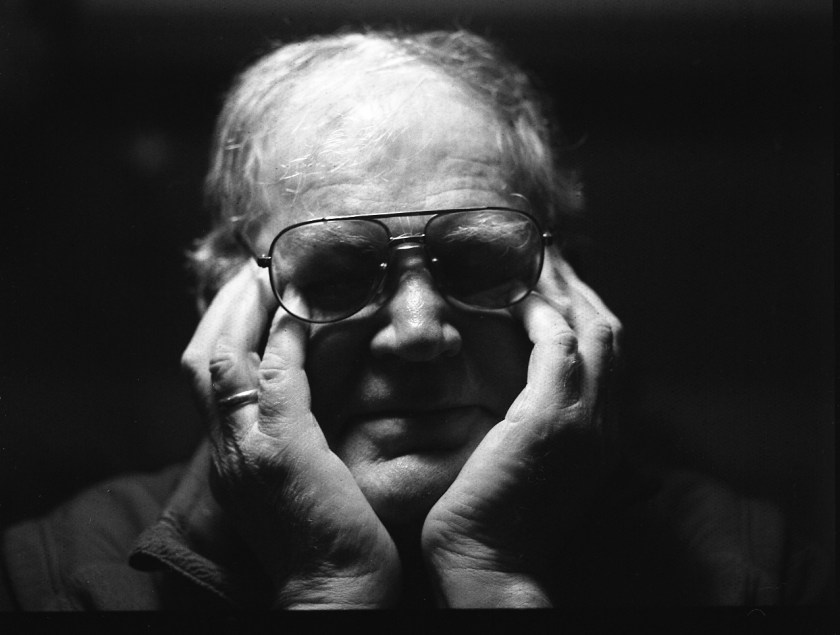
Father
It has been sort of funny to me to hear syndics of the conservative right ranting about president Obama being a socialist. Their words seem to me completely without foundation. After all, one of his first acts as president was to bail out the American financial sector. What more does he have to do to show his loyalty to capitalism?
My father is a communist. He earned his phD in Marxist political economy. For the past thirty years he has been on the Economics Commission of the Communist Party. Growing up, I kind of just assumed that everyone had a communist father. It just seemed normal. I have since found out that this is probably not the case.
Anyway, the conservatives seem to be reaching back to a McCarthy era strategy. But what does it mean to be socialist? Is it an economic and social policy that should be condemned?
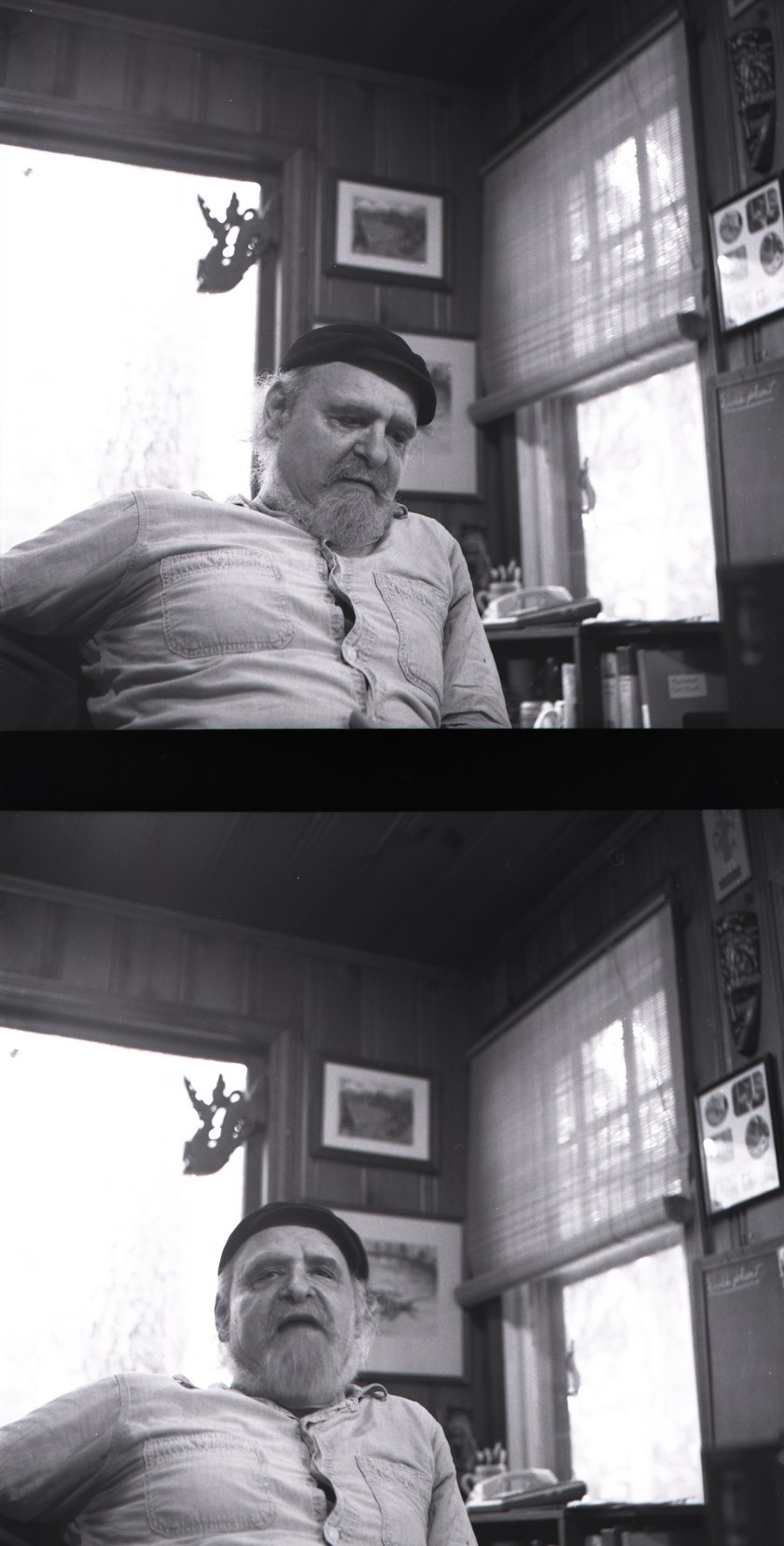
To learn more about my father and the basic tenets of Communism, I asked a friend of the family, Ellen Perlo, to field some of my questions. She is 93 and a long time member of the Party. Her late husband, Victor, withstood federal court hearings during McCarthy’s time for allegedly being a Soviet spy. The following photographs were taken during our conversation.




 A garden is a microcosm of a world, with all the problems of the outside world,” says my mother, Ruth.
Their are some exceptions. Vegetable gardens offer a source of food that is not influenced by fluctuating markets nor are they dependent on foreign oil. With the American economy teetering on the brink of a recession, acts of self-reliance are revolutionary.
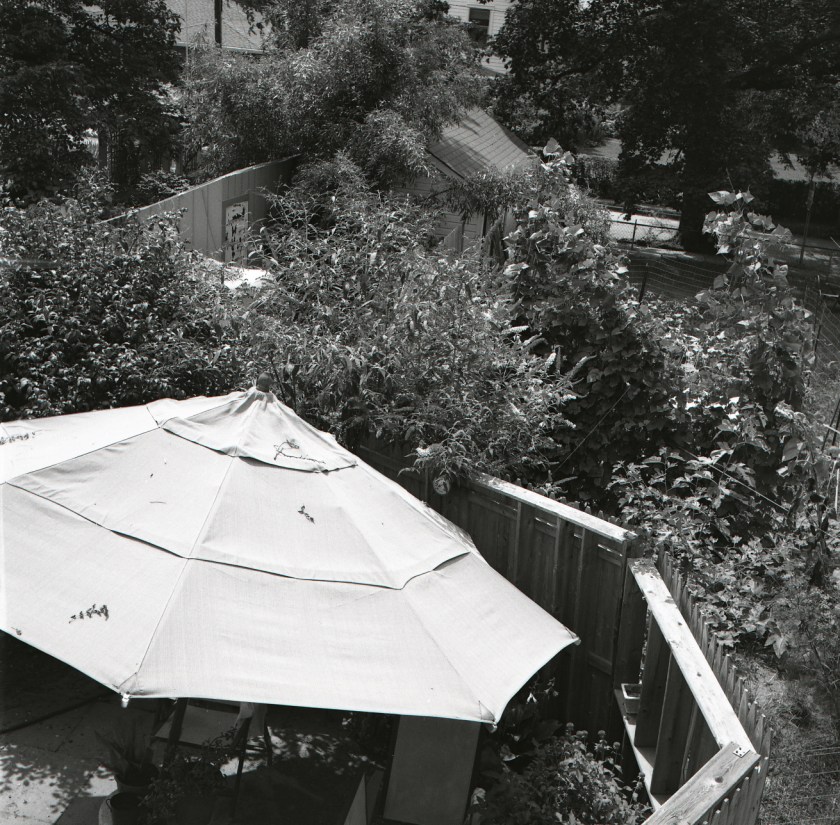
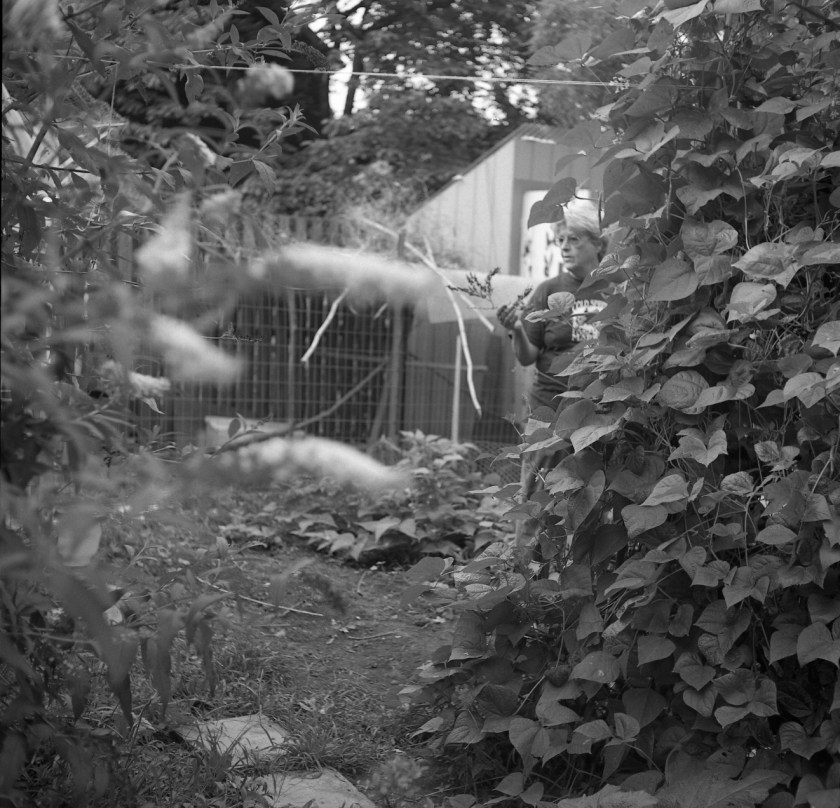 In a yard not much larger than two eighteen wheel trucks parked next to one another there is a world that yields an extraordinary amount of food. A marvelous cooperation of fertile top soil, rain, sun and human intervention has made this a prolific summer.

Beyond harvesting Brussels sprouts, kale, squash, string beans, cabbage, potatoes, beets and a variety of herbs, the yard is home to a few angora rabbits, chickens, a roaming black cat and a golden retriever.
Ruth will spin the fleece from the rabbits. With the yarn, she knits some pretty wild things.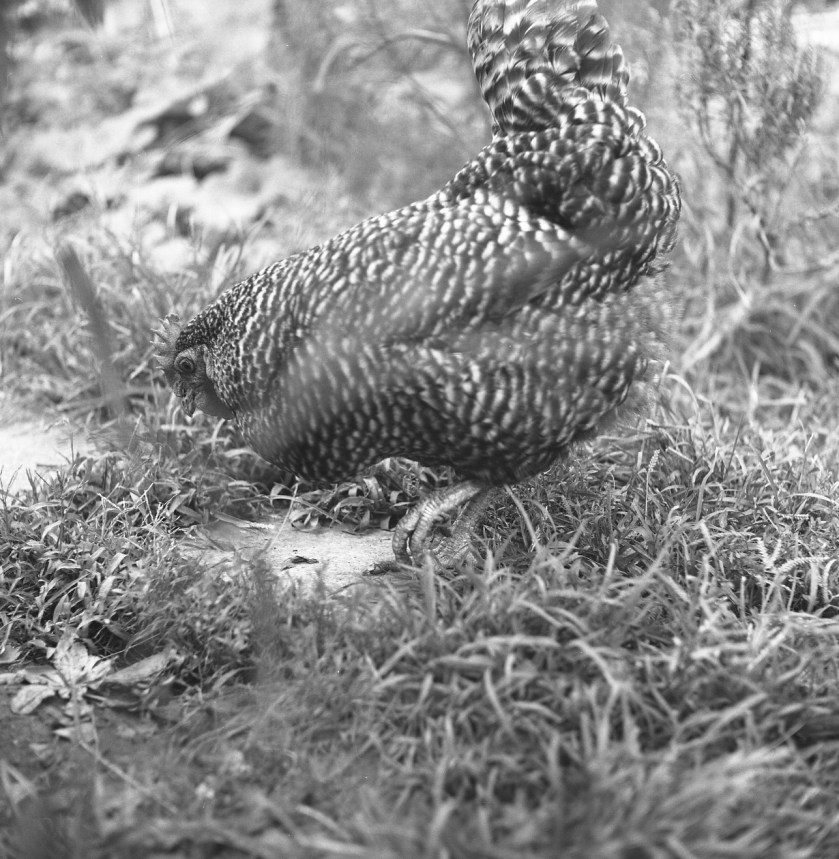
And fresh eggs…

Kiongwani Secondary School, Kenya
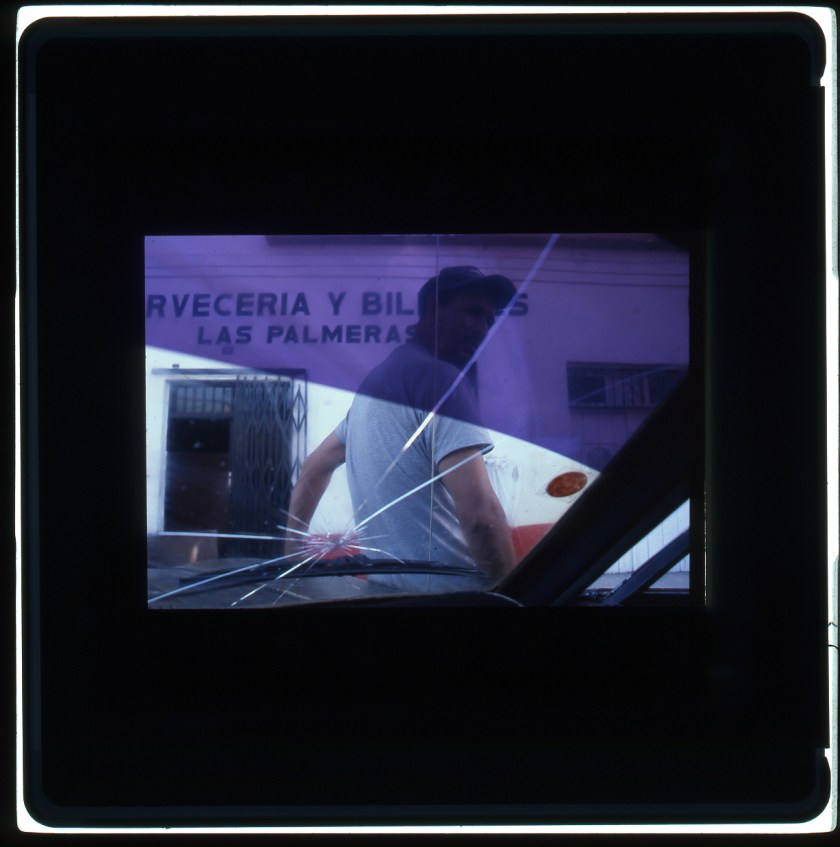
Nogales, Mexico
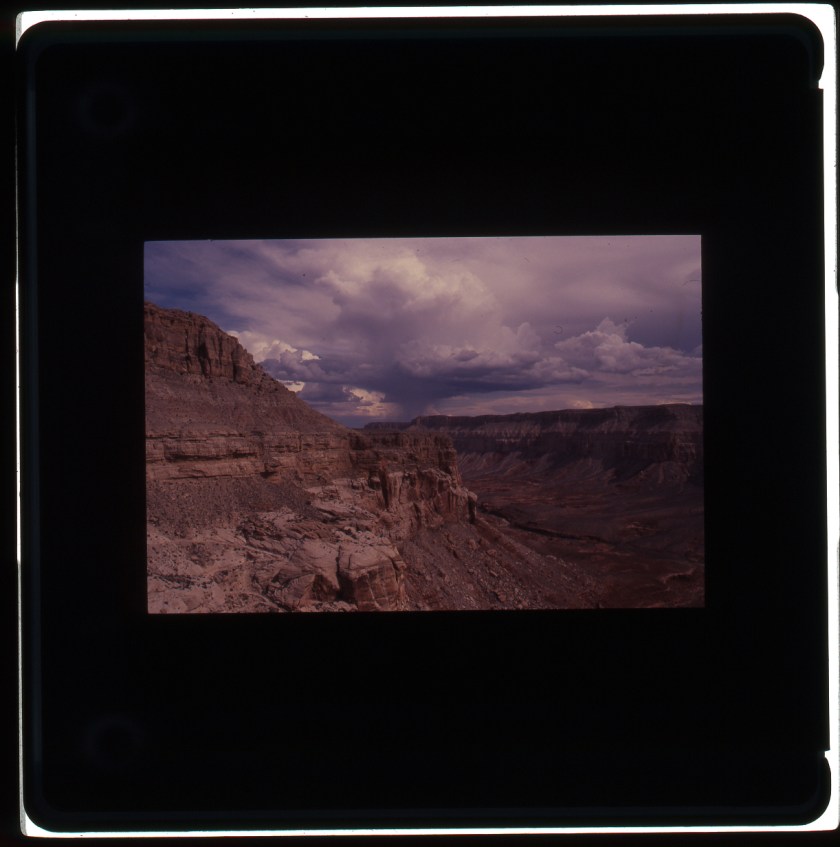
West Rim, Crand Canyon
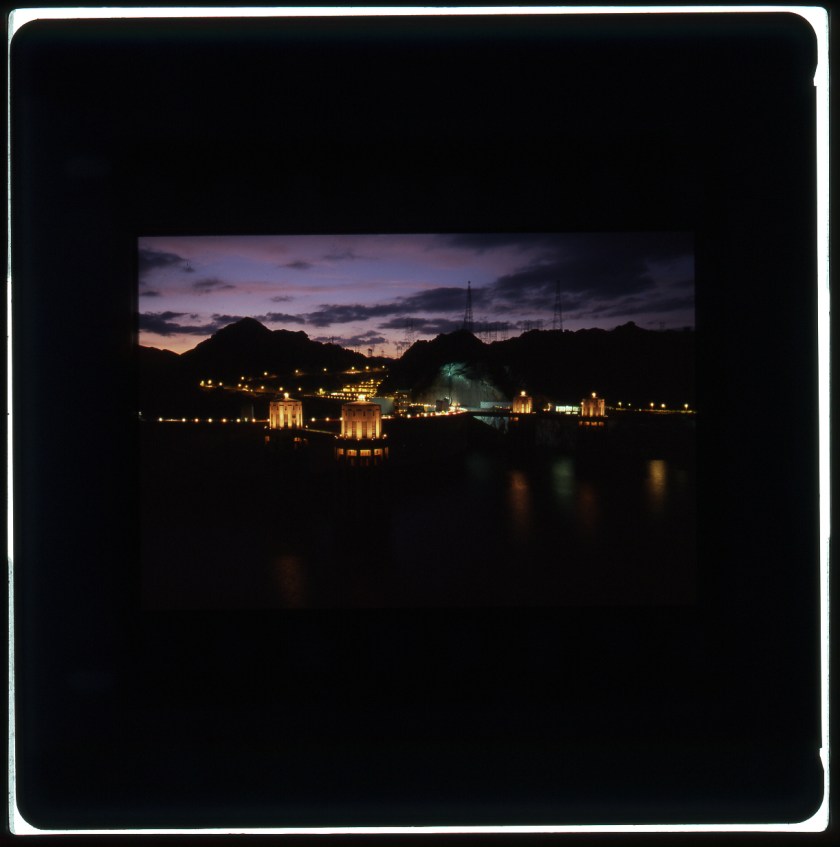
Hoover Damn, Nevada

Fort Benning, Georgia
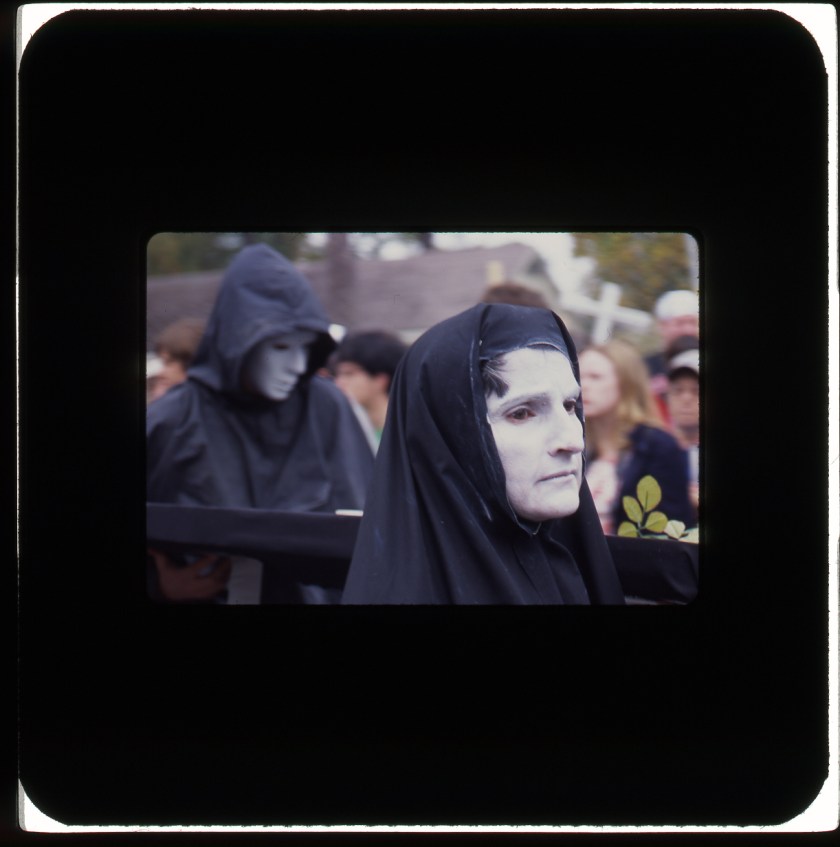
Fort Benning, Georgia

Santa Cruz, California
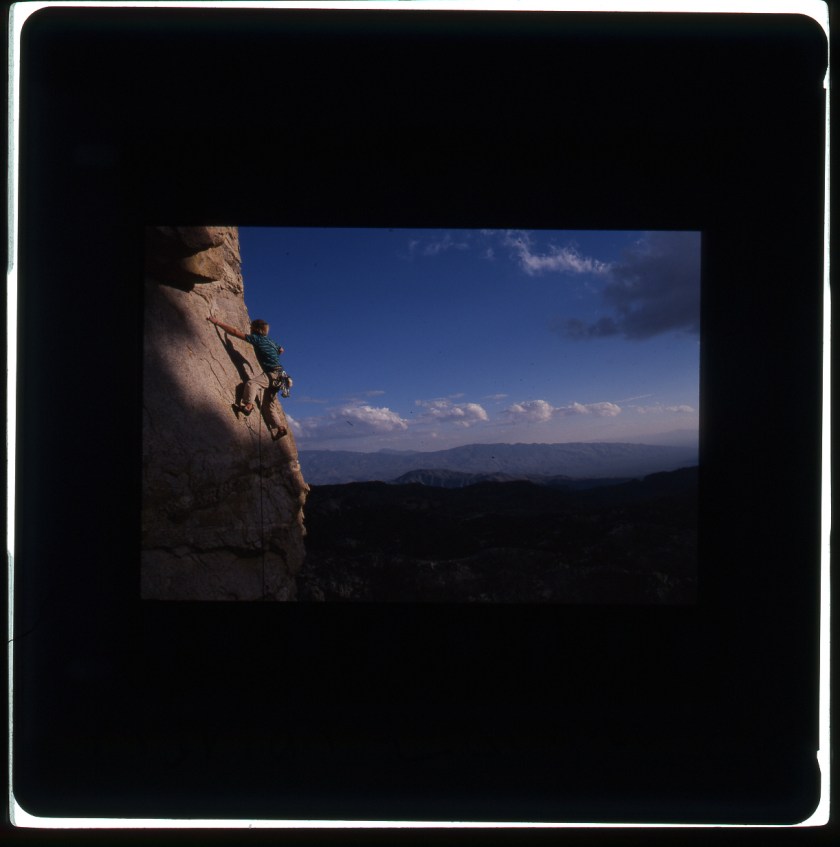
Mt. Limon, Arizona
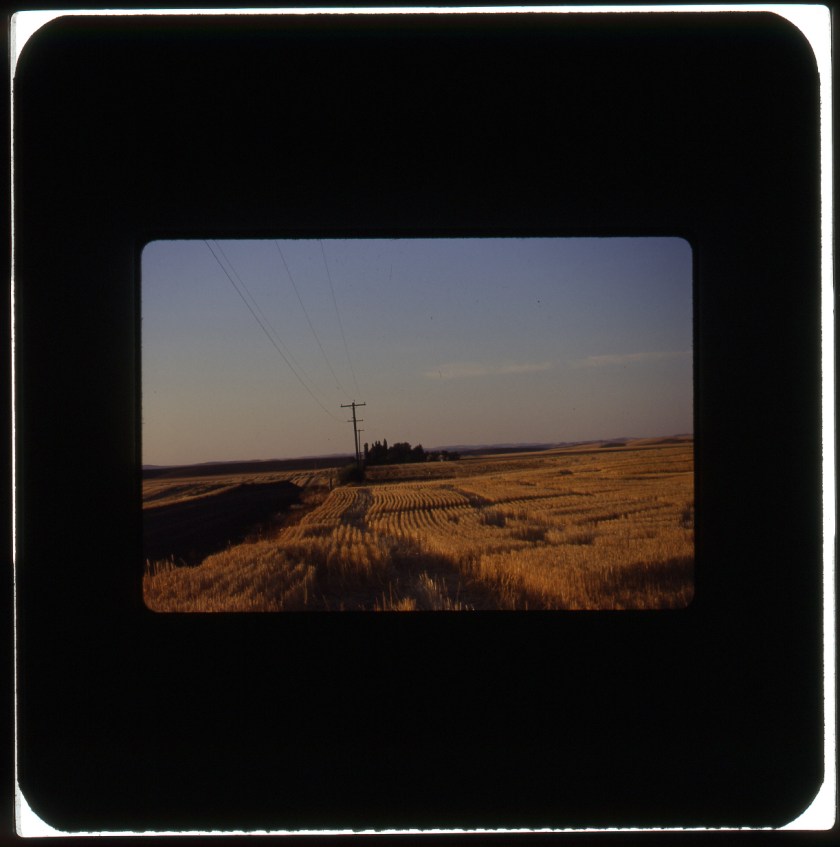
Walla Walla, Washington

Escalante, Utah

New Paltz, New York

New York, New York

San Francisco, California

Chiapas, Mexico

India
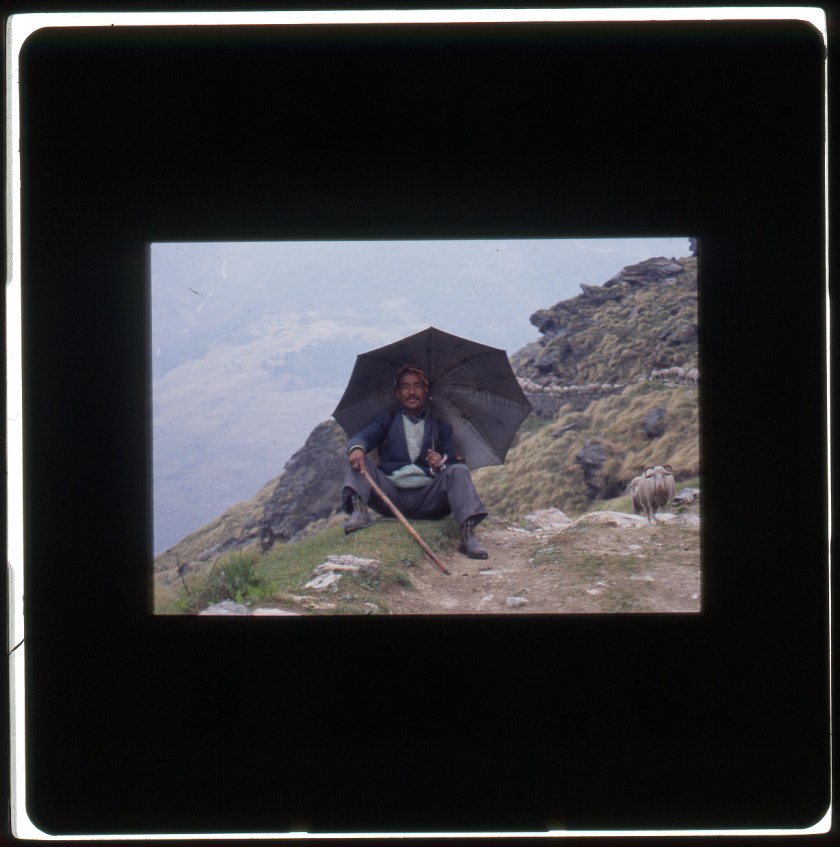
Milam Glacier, India
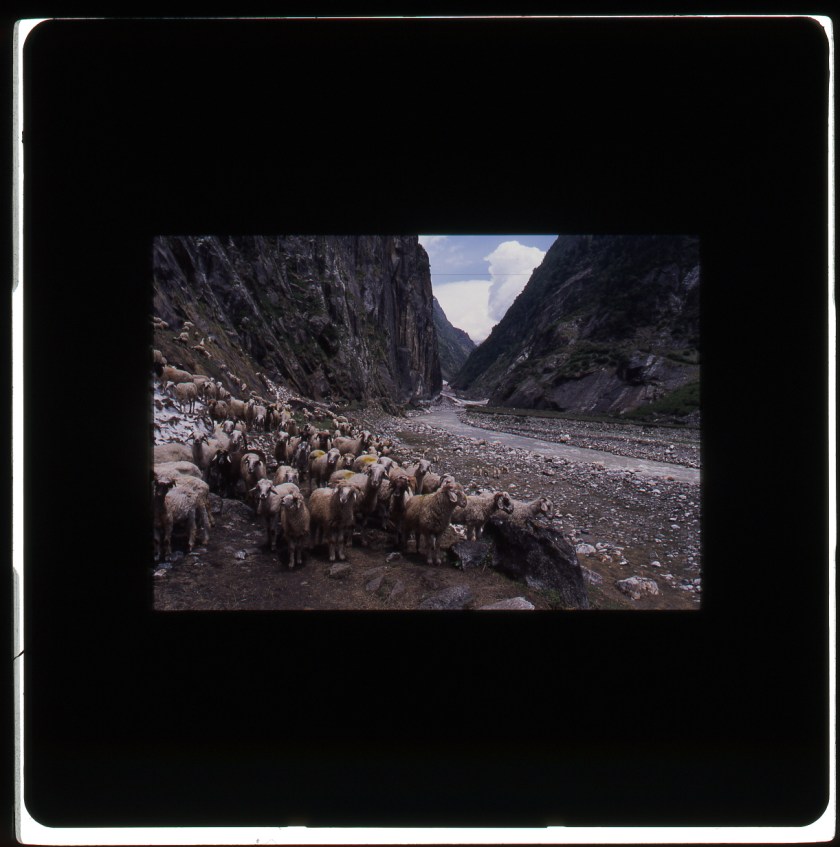
Milam Glacier
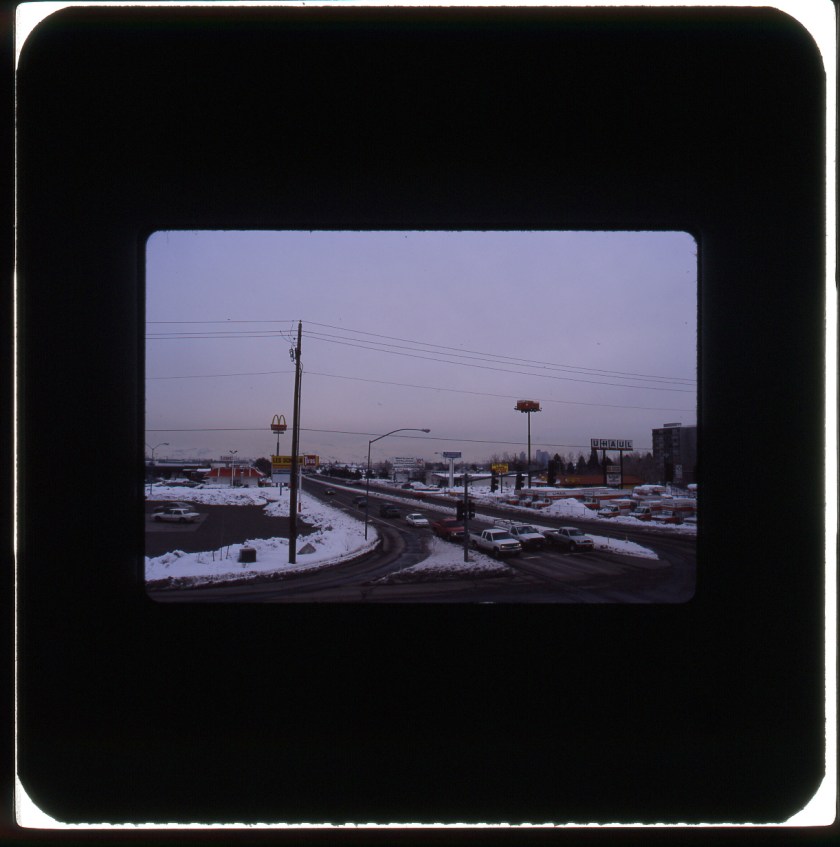
Reno, Nevada
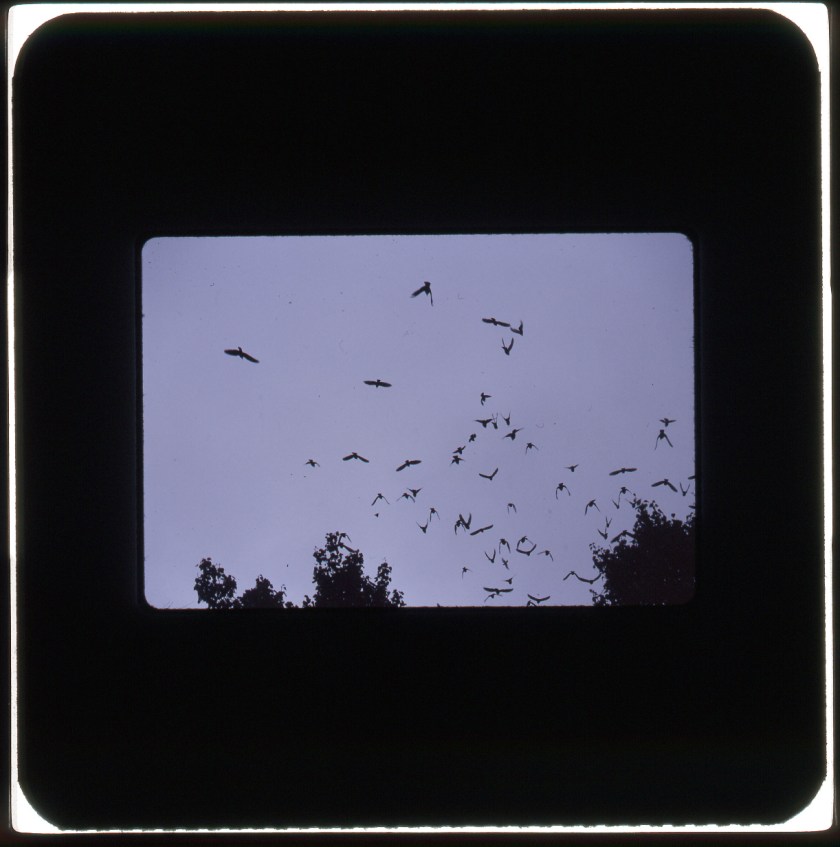
New York
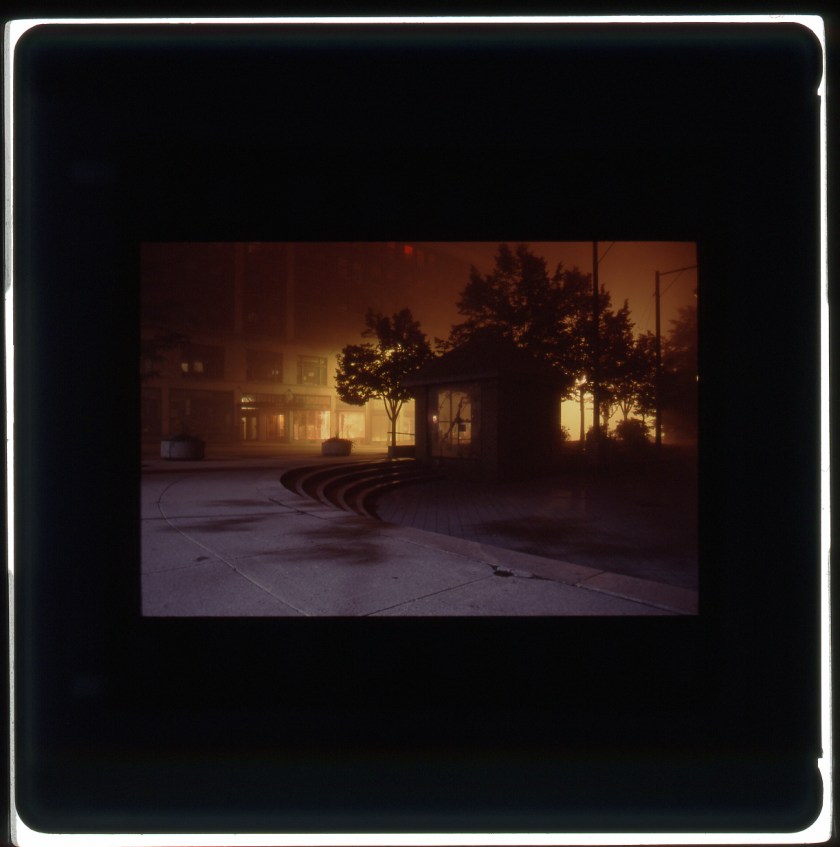
Portland, Maine
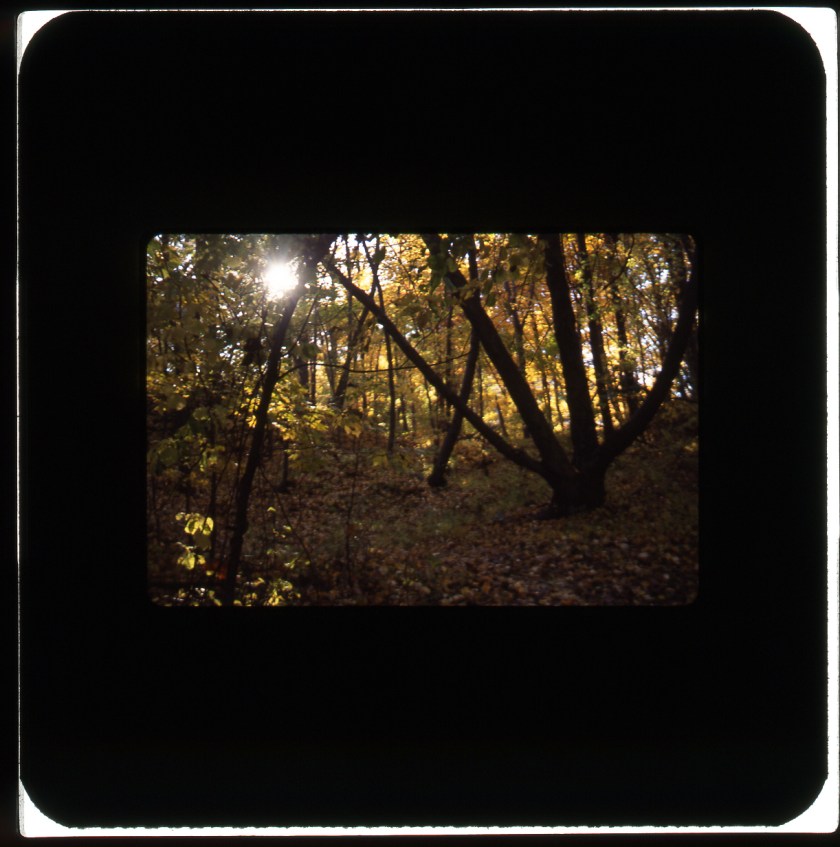
Cold Spring, New York
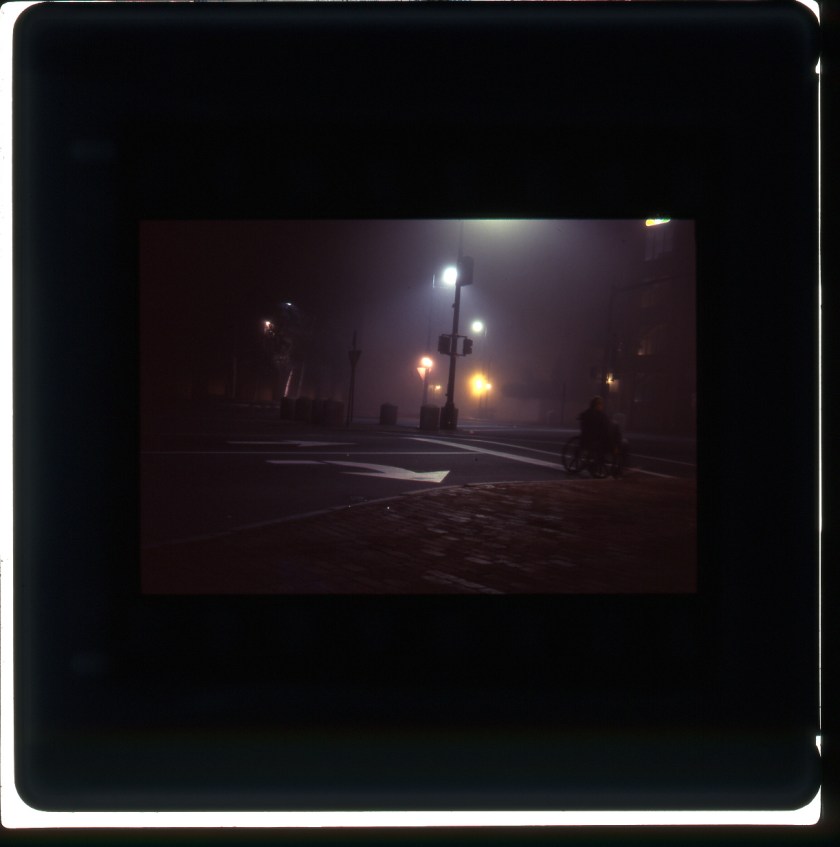
Portland, Maine
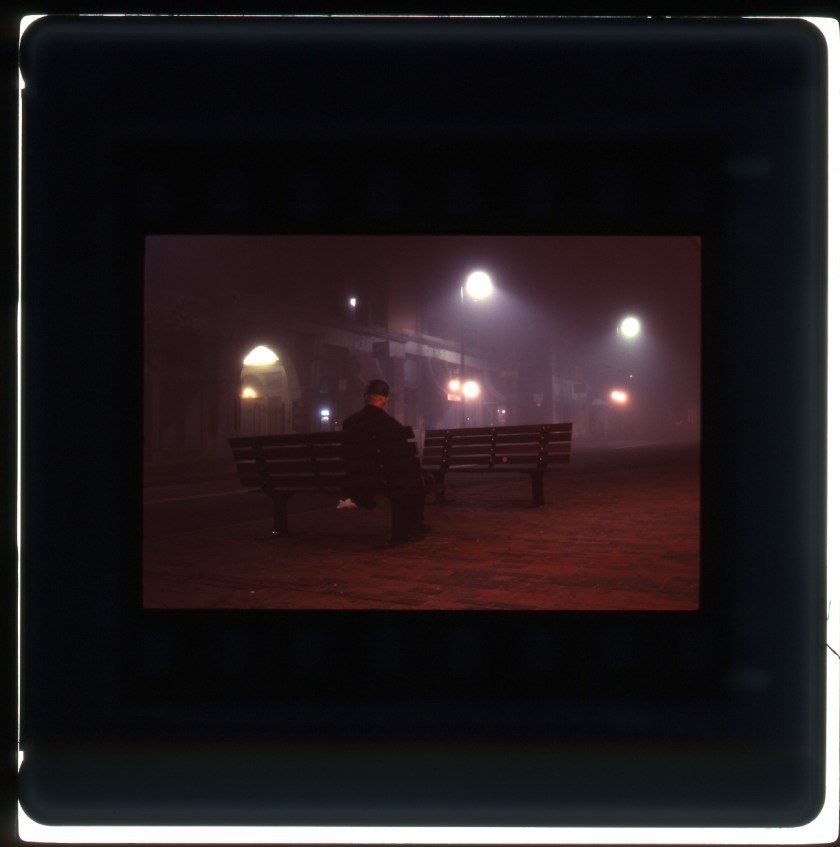
Portland, Maine

White Salmon River, Oregon
by John Keats
Thou still unravish’d bride of quietness,
Thou foster-child of silence and slow time,
Sylvan historian, who canst thou express
A flowery tale more sweetly than our rhyme:
What leaf-fring’d legend haunt about thy shape
Of deities or mortals, or of both,
In Tempe or the dales of Arcady?
What men or gods are these? What maidens loth?
What mad pursuit? What struggle to escape?
What pipes and timbrels? What wild ecstasy?
Heard melodies are sweet, but those unheard
Are sweeter: therefore, ye soft pipes, play on;
Not to the sensual ear, but, more endear’d,
Pipe to the spirit ditties of no tone:
Fair youth, beneath the trees, thou canst not leave
Thy song, nor ever can those trees be bare;
Bold lover, never, never canst thou kiss,
Though winning near the goal – yet, do not grieve;
She cannot fade, though thou hast not thy bliss,
For ever wilt thou love, and she be fair!
Ah, happy, happy boughs! that cannot shed
Your leaves, nor ever bid the spring adieu;
And, happy melodist, unwearied,
For ever piping songs for ever new;
More happy love! more happy, happy love!
For ever warm and still to be enjoy’d,
For ever panting, and for ever young;
All breathing human passion far above,
That leaves a heart high-sorrowful and cloy’d,
A burning forehead, and a parching tongue.
Who are these coming to the sacrifice?
To what green altar, O mysterious priest,
Lead’st thou that heifer lowing at the skies,
And all her silken flanks with garlands drest?
What little town by river or sea shore,
Or mountain-built with peaceful citadel,
Is emptied of its folk, this pious morn?
And, little town, thy streets for evermore
Will silent be; and not a soul to tell
Why thou art desolate, can e’er return.
O Attic shape! Fair attitude! with brede
Of marble men and maidens overwrought,
With forest branches and the trodden weed;
Thou, silent form, dost tease us out of thought
As doth eternity: Cold Pastoral!
When old age shall this generation waste,
Thou shalt remain, in midst of other woe
Than ours, a friend to man, to whom thou say’st,
“Beauty is truth, truth beauty,” – that is all
Ye know on earth, and all ye need to know.

Brushes

Dry Basil
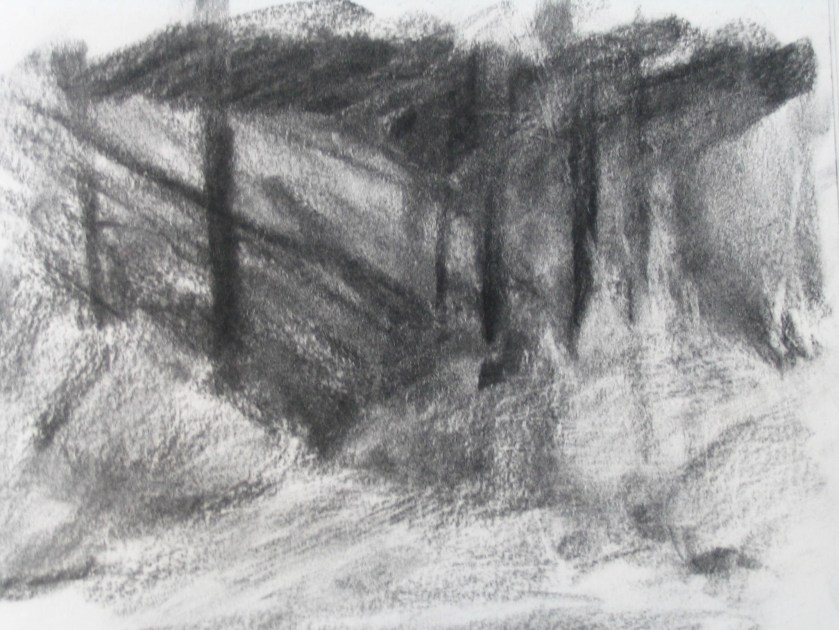
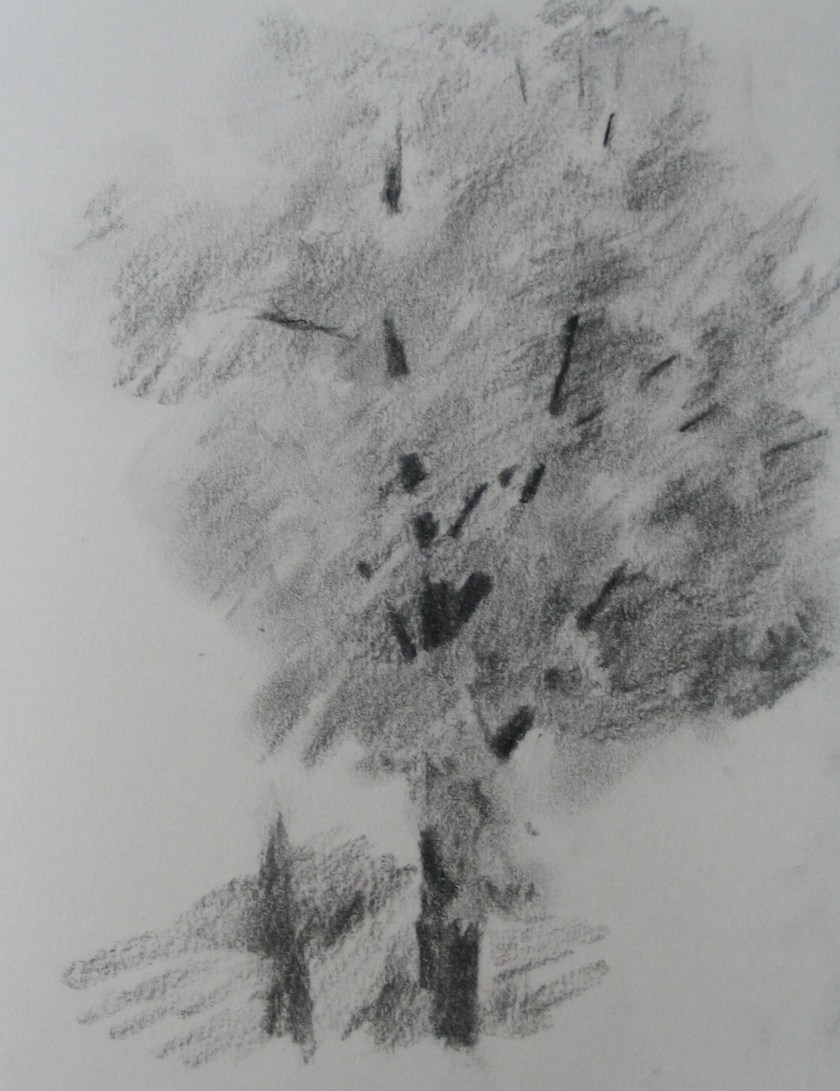
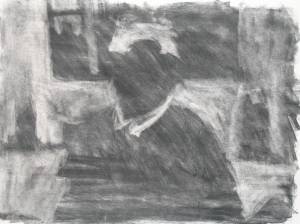
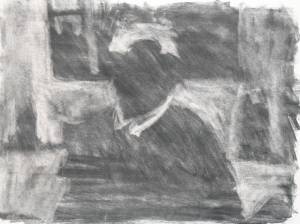
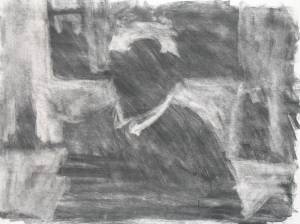
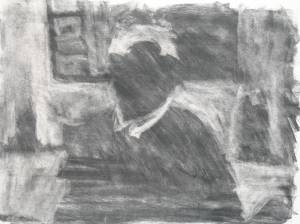
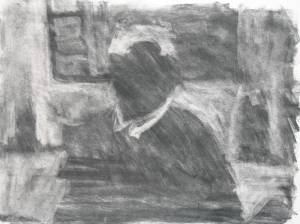
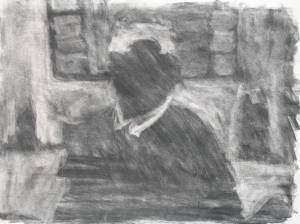
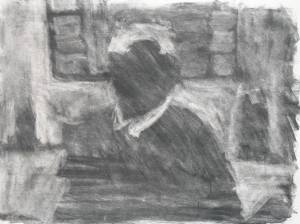
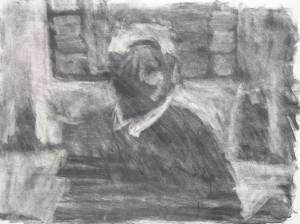
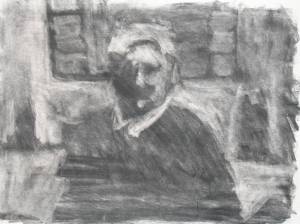
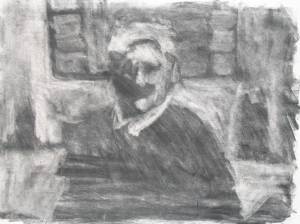
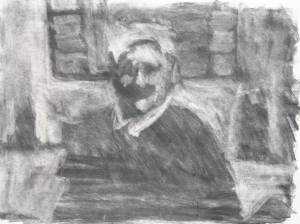
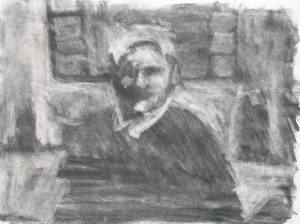
Tonal Studies
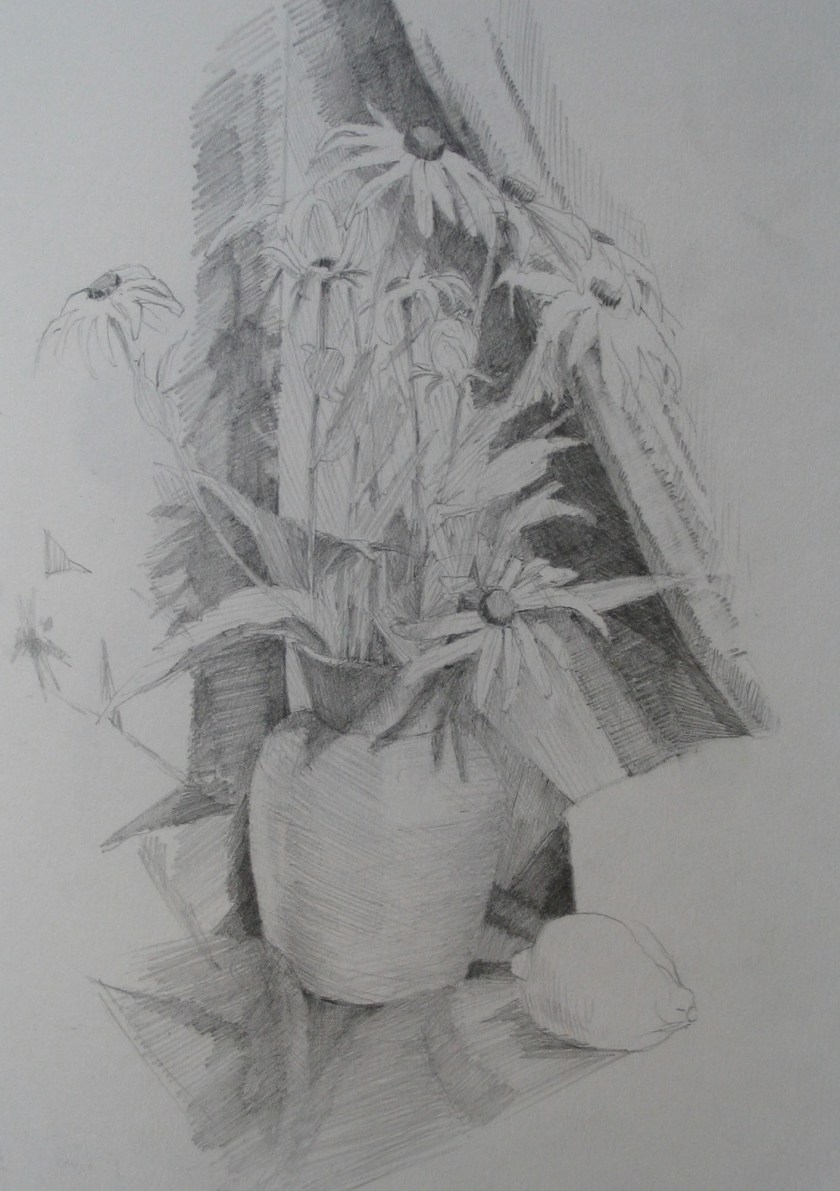
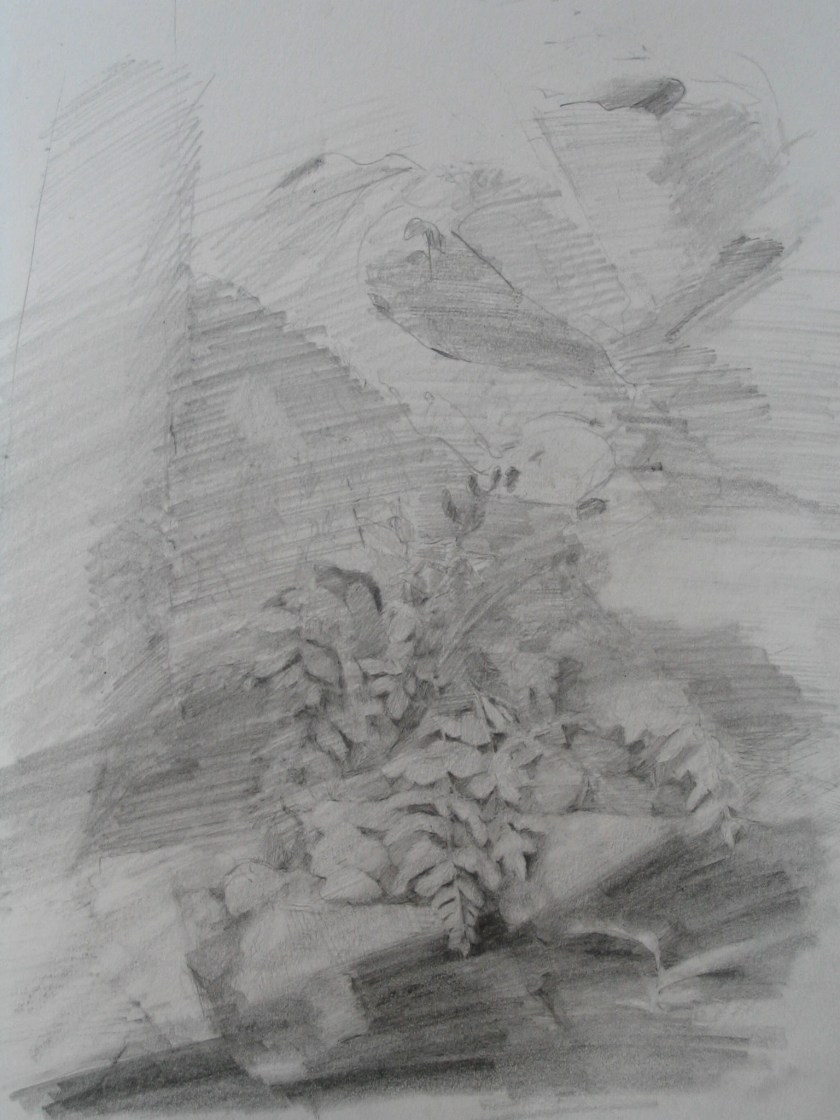

Study of Interior #1
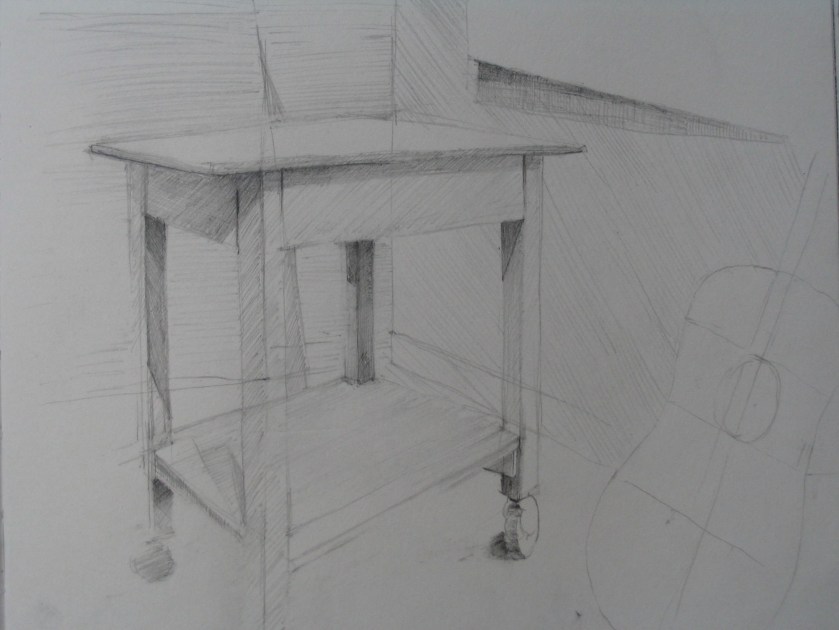
Study of Interior #2

Woman with Dog

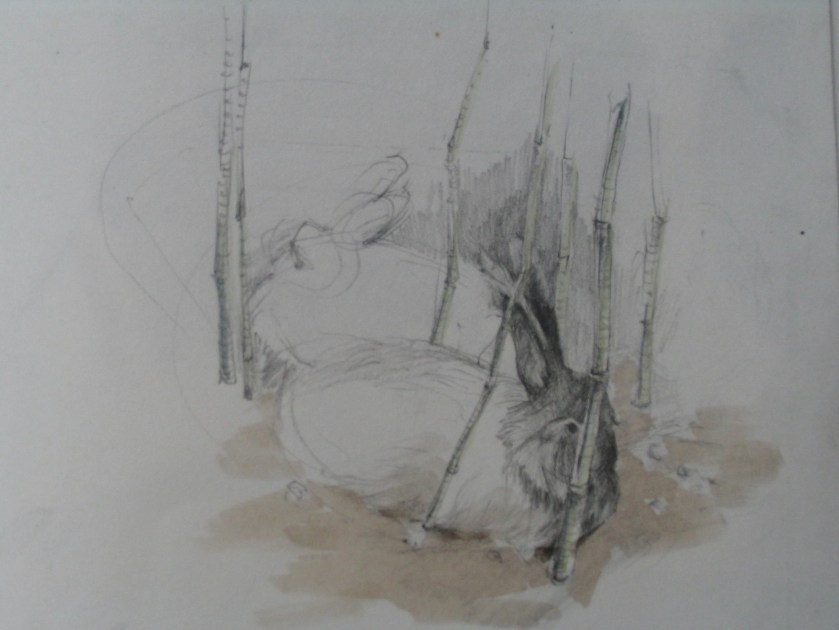
Angora Rabbits


Storm King on Hudson



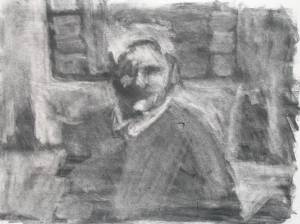
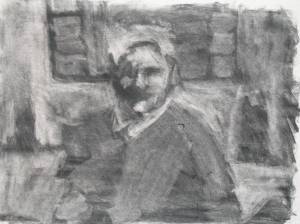


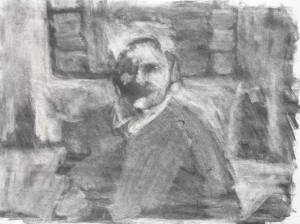
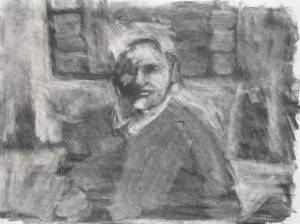


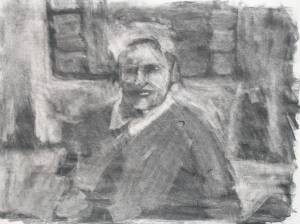
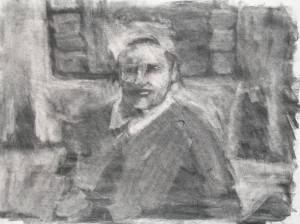
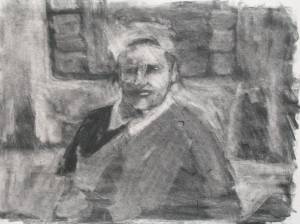
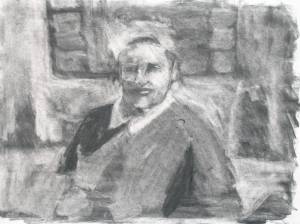
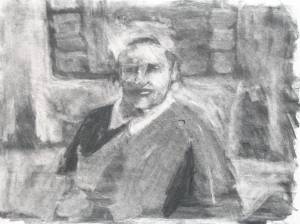
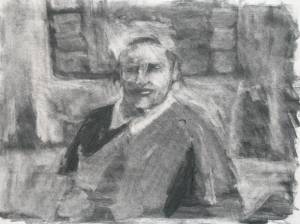
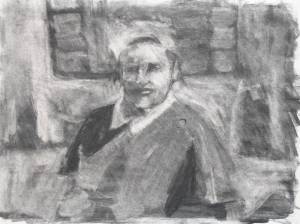
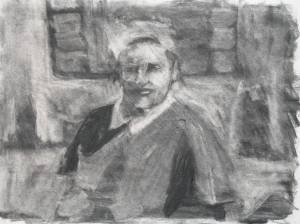
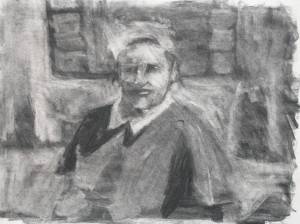

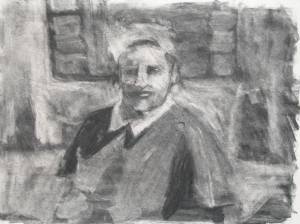
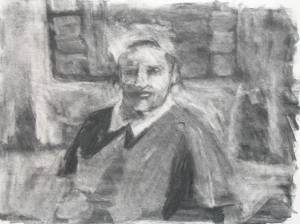
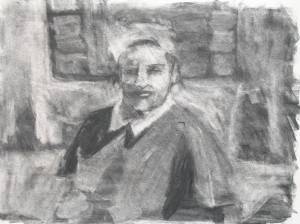
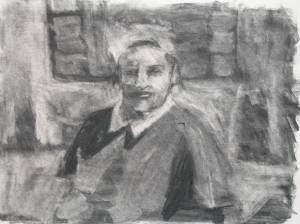
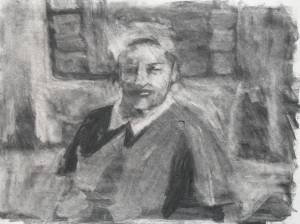
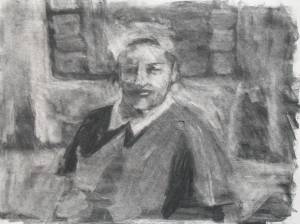
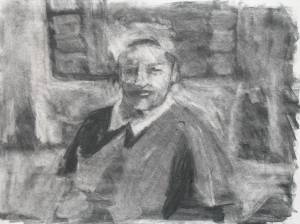
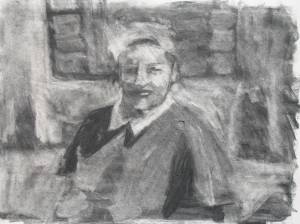
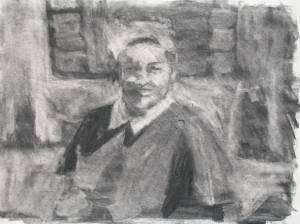






 Adrian Eisenhower